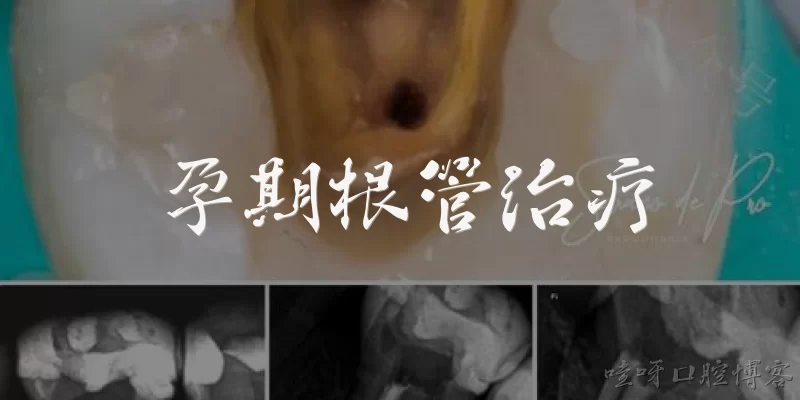
Root canal treatment during pregnancy:Is root canal treatment safe during pregnancy?
Q: Is root canal treatment safe during pregnancy?
A: According to the American Dental Association (ADA) and the American College of Obstetricians and Gynecologists (ACOG), root canal treatment is safe during pregnancy, especially during the second trimester. The procedure uses local anesthetics, such as lidocaine, which are considered safe. Dental X-rays can be performed with proper shielding. The ACOG Committee Opinion No. 569 (2013) states that preventive dental care and treatment of oral infections are important for pregnant women. Delaying necessary root canal treatment may lead to worsening infection and systemic complications that could harm both mother and fetus.
Q: What is the best trimester to have a root canal during pregnancy?
A: The American Dental Association (ADA) and the American Pregnancy Association recommend the second trimester (weeks 14–20) as the safest time for root canal treatment. During the first trimester, the fetus's major organs are forming, and the risk of teratogenic effects is highest; elective procedures are typically avoided. In the third trimester, prolonged supine positioning can cause hypotension due to inferior vena cava compression, and the uterus may be more sensitive to stress. Emergency root canals can be performed in any trimester, but non-urgent cases should be scheduled in the second trimester.
Q: Can I get a root canal if I am pregnant?
A: Yes, you can get a root canal while pregnant. The American Dental Association (ADA) advises that pregnant women should not delay necessary dental treatment, including root canals, because oral infections can affect both mother and baby. The procedure is generally safe when performed with proper precautions: using local anesthesia (lidocaine with epinephrine is acceptable), avoiding nitrous oxide, and taking X-rays with abdominal shielding and thyroid collar. The American College of Obstetricians and Gynecologists (ACOG) supports dental care during pregnancy. Always inform your dentist and obstetrician before the procedure.
Q: What precautions are taken for root canal treatment during pregnancy?
A: During pregnancy, root canal treatment requires several precautions as recommended by the American Dental Association (ADA) and the American College of Obstetricians and Gynecologists (ACOG). These include: using local anesthetics (lidocaine) safely; avoiding nitrous oxide; taking dental X-rays only when necessary, with lead apron and thyroid shield; positioning the patient comfortably, especially in the third trimester, to avoid inferior vena cava compression; and minimizing appointment duration. Antibiotics, if needed, should be pregnancy-safe. The dentist should coordinate with the obstetrician. The ACOG states that oral health care, including root canals, is safe and effective during pregnancy.
Q: What are the risks of delaying root canal treatment during pregnancy?
A: According to the American Dental Association (ADA) and the American College of Obstetricians and Gynecologists (ACOG), delaying a needed root canal during pregnancy can lead to serious risks. Untreated dental infections can cause pain, abscess formation, and systemic infection, which may increase the risk of preterm birth, low birth weight, and preeclampsia. The ACOG Committee Opinion No. 569 (2013) emphasizes that oral infections are associated with adverse pregnancy outcomes. Therefore, necessary root canal treatment should not be postponed; instead, it should be performed safely, preferably in the second trimester, to protect both mother and fetus.
Dialogue about
Common scenarios of "Root canal treatment during pregnancy"
【Patient】 Hi, Doctor. I'm 20 weeks pregnant and I've been having a terrible toothache. My dentist said I might need a root canal. Is that safe during pregnancy?
【Dentist】 Hello, and congratulations on your pregnancy. I understand your concern. Root canals are generally safe during pregnancy, especially in the second trimester. The main goal is to eliminate infection, which can be more harmful if left untreated.
【Patient】 That's a relief to hear. But what about the X-rays? I've heard radiation can be harmful to the baby.
【Dentist】 That's a valid worry. We take extra precautions: we use a lead apron to shield your abdomen and thyroid, and the radiation dose from dental X-rays is extremely low. The risk is minimal, and the benefit of diagnosing the problem accurately outweighs it.
【Patient】 Okay, that makes sense. What about the anesthesia? I don't want to feel pain, but I also don't want to harm my baby.
【Dentist】 Local anesthetics like lidocaine with epinephrine are considered safe. We use the smallest effective dose. The epinephrine helps prolong numbness and reduces bleeding. We also avoid certain anesthetics like prilocaine. I'll make sure to use a pregnancy-safe formula.
【Patient】 And the root canal procedure itself? Will it be long? I get uncomfortable lying on my back for too long.
【Dentist】 We can schedule shorter appointments or take breaks. I'll position you slightly tilted to the left to avoid pressure on the vena cava, which can cause dizziness. The procedure typically takes 1-2 hours, but we can split it into two visits if needed.
【Patient】 What about medications after the procedure? I might need painkillers or antibiotics.
【Dentist】 For pain, acetaminophen (Tylenol) is safe. Avoid ibuprofen and aspirin unless prescribed. If you need antibiotics, penicillins and cephalosporins are generally safe. I'll consult with your obstetrician if necessary.
【Patient】 Should I consult my OB before the procedure?
【Dentist】 Absolutely. I recommend you inform your OB and get their clearance. We can also coordinate with them if you have any specific conditions like high blood pressure or gestational diabetes.
【Patient】 I have gestational diabetes. Does that change anything?
【Dentist】 It might affect healing and infection risk, so we'll be extra cautious. We'll monitor your blood sugar and may adjust appointment timing. Also, avoid sugary drinks before the procedure. But the root canal itself is still safe.
【Patient】 What if I delay the root canal until after delivery? Is that an option?
【Dentist】 Delaying could worsen the infection, leading to abscess, fever, and even preterm labor. It's better to treat it now. However, if it's not urgent, we might postpone to the second trimester or after birth. But yours sounds urgent.
【Patient】 I see. So the risks of not treating are higher?
【Dentist】 Exactly. Untreated dental infections have been linked to pregnancy complications. Treating it promptly is safer for both you and your baby.
【Patient】 Thank you, Doctor. I feel much better about this. I'll schedule the appointment and talk to my OB.
【Dentist】 You're welcome. I'll also send a note to your OB with the treatment plan. If you have any more questions, don't hesitate to call. Take care!