Can removable dentures add teeth?:Can removable dentures add teeth?
Q: Can removable dentures add teeth?
A: Yes, removable dentures can be modified to add teeth, but the process depends on the type of denture and how much space is needed. In 2026, the standard approach is to either add a tooth to an existing partial denture or, more commonly, to fabricate a new denture when multiple teeth are involved. A complete denture can sometimes have a tooth added if it was made with a spare slot, but this is uncommon because the acrylic base and clasps must be rebalanced. Instead, most clinicians use a technique called a 'denture repair with tooth addition,' where the laboratory cuts away the old acrylic, sets a new prefabricated or custom tooth, and heat-cures or light-cures new acrylic around it. This usually takes 2–4 days and costs between $150 and $400 per tooth, depending on the region and materials. In 2026, digital workflows with intraoral scanners and 3D-printed try-ins make the fit more predictable than older alginate impressions. However, if the denture is more than five years old, the base may be brittle and the occlusion may have shifted, so many dentists recommend a new denture instead of repeated additions. Always consult a prosthodontist to evaluate bone support and bite stability before adding teeth.
Q: How do dentists add a tooth to a partial denture in 2026?
A: In 2026, adding a tooth to a partial denture follows a precise digital and laboratory workflow. First, the dentist assesses the existing partial denture's framework, clasps, and acrylic base to ensure it can support an additional tooth without creating a torque point. If the design allows, an intraoral scan of the arch and the denture is taken, and a CAD software program models the new tooth in relation to the opposing teeth. The lab then either modifies the existing denture by removing acrylic in the edentulous space, or fabricates a new section using a biocompatible resin. Modern tooth additions often use milled or 3D-printed teeth that match the shade and wear resistance of the existing dentition. The dentist then tries in the modified denture, checks the occlusion with articulating paper, and adjusts the clasps if needed. The entire process typically requires one clinical visit for scanning and one for insertion, with a turnaround of 3–5 business days. Costs in 2026 range from $200 to $500 per tooth, and insurance may cover part of it if the addition is medically necessary. Keep in mind that adding a tooth to a metal framework partial is more complex and may require soldering or laser welding, which increases the fee.
Q: Are there risks or limitations when adding teeth to removable dentures?
A: Yes, there are several risks and limitations when adding teeth to removable dentures in 2026. The most common issue is an unbalanced bite. Adding a tooth changes the occlusal forces, and if the new tooth is not perfectly adjusted, it can cause sore spots, accelerate bone resorption, or crack the acrylic base. Another limitation is the condition of the existing denture. If the base is thin, cracked, or more than five years old, adding a tooth often leads to fractures within months. The clasping system may also need modification; a new tooth can put stress on existing clasps, causing them to loosen or break. In terms of function, adding a tooth to a distal extension area (where there is no tooth behind it) rarely improves chewing efficiency and may actually tip the denture. Aesthetic matching is another challenge—older denture teeth may have discolored, so the new tooth can look noticeably different unless the entire denture is replaced. Finally, cost-effectiveness matters: if you need more than two teeth added, a new partial or complete denture is often cheaper and more stable in the long run. Always have a prosthodontist evaluate your bone support and gum health before proceeding.
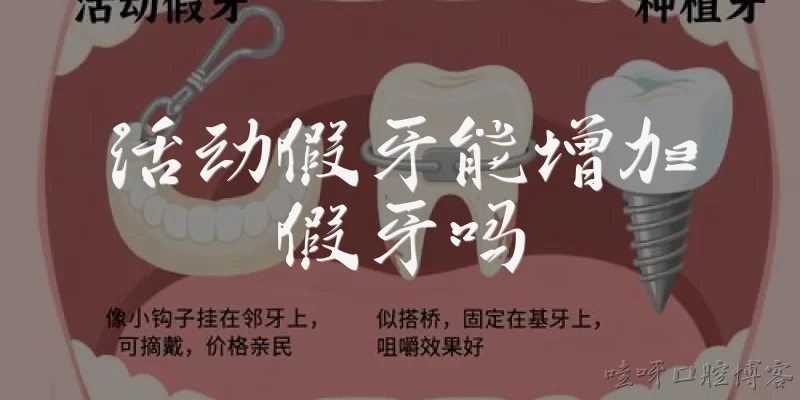
Dialogue about
Common scenarios of "Can removable dentures add teeth?"
【Patient】 Hello, doctor. I have a question about my dentures. Can removable dentures add teeth? I mean, if I lose another tooth, can they just add it to my existing denture?
【Dentist】 That's a great question. The answer is: it depends. Removable dentures can sometimes have teeth added, but it's not always straightforward. It depends on the type of denture and the condition of the existing denture.
【Patient】 What types are there? I have a partial denture on the bottom, and I might need to extract another tooth soon. I'm worried about the cost of a whole new denture.
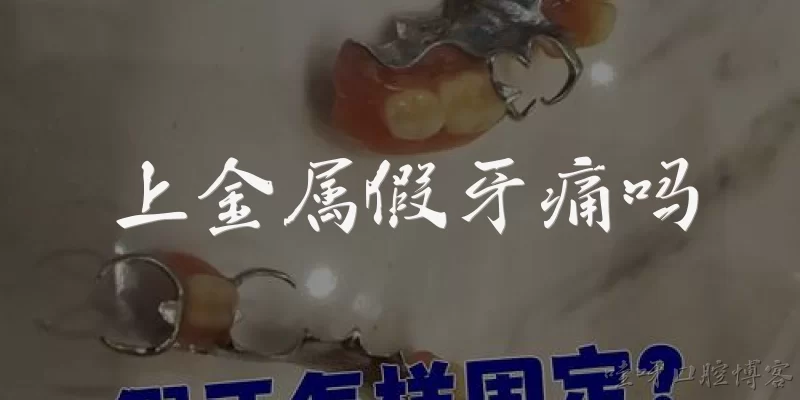
【Dentist】 I understand. For partial dentures, adding a tooth is often possible if the framework and clasps are in good condition. The dentist can make an impression, send it to the lab, and they can add a new tooth to the existing acrylic or metal framework. But it also depends on how the tooth is lost and the space available.
【Patient】 So it's not just a simple DIY thing? I've seen some kits online that claim you can add teeth to dentures yourself. Are those safe?
【Dentist】 I strongly advise against DIY kits. They can cause improper fit, bite problems, and even damage to your gums and remaining teeth. It's always best to have a professional do it. The denture needs to be properly adjusted to ensure comfort and function.
【Patient】 Okay, I'll avoid those. So if I go to a dentist, what's the process? Do they need to send it to a lab? How long does it take?
【Dentist】 Typically, yes. The dentist will assess your denture and the new space. If it's feasible, they'll take an impression of your mouth with the denture in place, and also a counter impression. Then they send it to a dental lab where a technician will add the new tooth. It usually takes about one to two weeks, depending on the lab's workload.
【Patient】 That doesn't sound too bad. But what if the denture is old and worn out? Would it still be possible?
【Dentist】 If the denture is old and the acrylic is brittle, or if the fit is already poor, adding a tooth might not be advisable. The denture might break, or the new tooth might not match well. In that case, a new denture might be more cost-effective in the long run.
【Patient】 I see. So it's a case-by-case basis. What about complete dentures? Can you add teeth to those?
【Dentist】 With complete dentures, adding a tooth is less common because they are made as a full set. However, if a tooth breaks off, it can be repaired or replaced. But adding an entirely new tooth to a complete denture is not typical because there's no natural tooth to replace; it's more about repairing damage.
【Patient】 Oh, I thought complete dentures were all or nothing. So if one tooth breaks, you can fix it?
【Dentist】 Yes, often a broken tooth can be replaced by bonding a new tooth to the denture base. It's a repair rather than an addition. But again, if the denture is old, it might be better to remake it.
【Patient】 That makes sense. So for my partial denture, if I lose another tooth, I should first consult my dentist to see if it can be added. What factors would make it possible or not?
【Dentist】 Factors include: the condition of the denture (no cracks, good fit), the material (metal framework is more durable for additions), the position of the missing tooth (whether there's space and if it's a simple addition), and the health of your gums and remaining teeth. Also, the shade matching of the new tooth to the existing ones.
【Patient】 Shade matching? I didn't think of that. My denture teeth are a bit yellowed now. Will a new tooth stand out?
【Dentist】 That's a common concern. The lab can match the shade as closely as possible, but if your existing teeth are significantly discolored, it might be noticeable. Sometimes, dentists recommend replacing all the teeth on the denture to ensure a uniform appearance, but that increases the cost.
【Patient】 I see. So it might be better to just get a new denture if I want it to look natural. But for now, if I just want function, adding a tooth could work?
【Dentist】 Exactly. If aesthetics are not a primary concern, adding a tooth can restore function and be a cost-effective solution. But always have a dentist evaluate your specific situation. They can give you the best advice after examining your denture and mouth.
【Patient】 Thank you, doctor. I feel much more informed now. I'll schedule an appointment to get it checked out.