
Is filling a tooth cavity troublesome?:Is filling a tooth cavity still a troublesome procedure in 2026?
Q: Is filling a tooth cavity still a troublesome procedure in 2026?
A: In 2026, filling a tooth cavity is generally far less troublesome than it was even a decade ago. Most simple fillings are completed in a single visit lasting 20 to 40 minutes, and the procedure is usually painless thanks to modern local anesthetics and, in some clinics, computer-controlled delivery systems. For shallow cavities, many dentists now use air abrasion or dental lasers instead of a traditional drill, which reduces noise, vibration, and the need for anesthesia in selected cases. The filling materials have also improved: bioactive composites and glass ionomers release fluoride and bond more effectively to tooth structure, so the restoration often lasts longer and feels more natural. The main inconvenience is practical rather than painful—you may need to avoid chewing on that side for a few hours, and you might experience mild sensitivity to hot or cold for a week or two. Overall, for most patients, a routine cavity filling in 2026 is a quick, comfortable, and predictable appointment rather than a major ordeal.
Q: What actually makes a cavity filling feel troublesome, and how is that changing in 2026?
A: The 'troublesome' reputation of cavity fillings comes from a few common sources: the sound and sensation of drilling, the fear of needles, mild post-treatment sensitivity, and the hassle of scheduling and paying for care. In 2026, several developments are reducing each of these. Needle-free anesthesia options, such as topical numbing gels and jet injectors, are more widely available, which helps patients who dread injections. Laser and air-abrasion cavity preparation can remove decay with less drilling, lowering anxiety for many people. For sensitivity, newer desensitizing agents and bioactive filling materials are used to seal dentinal tubules and calm nerves, so discomfort after the appointment tends to be shorter and milder. On the logistics side, same-day crowns and fillings, digital scanning instead of gooey impression trays, and transparent pricing apps make the visit more efficient. None of this means fillings are completely effortless—you still need to keep the area clean and avoid hard foods briefly—but the practical and emotional burden of getting a cavity filled has clearly dropped in 2026.
Q: How can I make a cavity filling appointment less troublesome in 2026?
A: You can make a 2026 cavity filling much easier by preparing ahead and choosing the right setting. First, book a dentist who offers modern, minimally invasive options such as laser decay removal, air abrasion, or bioactive composite fillings; these can reduce drilling and post-treatment sensitivity. Tell the office about any dental anxiety so they can plan for it—many practices now offer noise-canceling headphones, virtual reality distraction, or sedation options. Schedule the appointment when you are not rushed, and eat a light meal beforehand unless sedation is planned. Bring your dental insurance details or ask about membership plans and transparent pricing, since unexpected costs are a major source of stress. After the filling, follow the aftercare instructions: avoid chewing on that tooth until the numbness wears off, skip very hot or cold foods for a few days if you feel sensitive, and keep the area clean with gentle brushing and flossing. With these steps, a routine filling in 2026 is usually a short, comfortable visit with minimal disruption to your day.
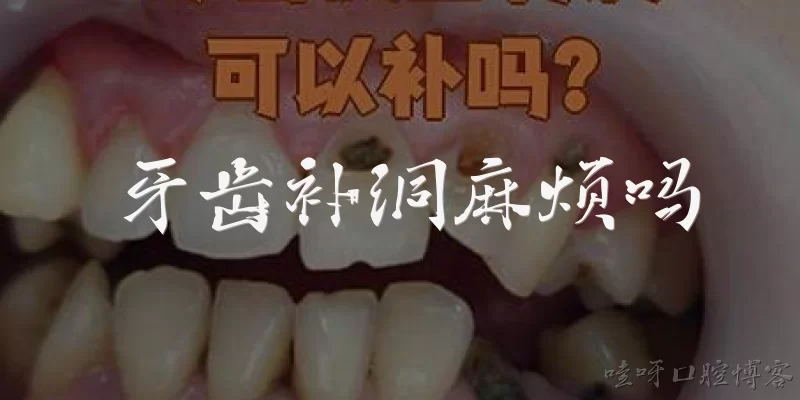
Dialogue about
Common scenarios of "Is filling a tooth cavity troublesome?"
【Patient】 Hi, I think I have a cavity and I'm nervous about getting it filled. Is it a troublesome procedure?
【Dentist】 Hello! It's normal to feel anxious. Filling a cavity is a common and relatively simple procedure. It's not too troublesome, and it usually takes about 30 minutes to an hour.
【Patient】 That doesn't sound too bad. What exactly happens during the procedure?
【Dentist】 First, we'll numb the area with a local anesthetic so you won't feel pain. Then we remove the decayed part of the tooth, clean it, and fill it with a material like composite resin or amalgam. Finally, we shape and polish it.
【Patient】 Will it hurt? I'm really scared of pain.
【Dentist】 With the anesthetic, you shouldn't feel any sharp pain. You might feel some pressure or vibration, but it's generally well-tolerated. We can also discuss sedation if you're extremely anxious.
【Patient】 Okay, that's reassuring. How long does it take to recover?
【Dentist】 Recovery is quick. You might have some sensitivity for a few days, especially to hot or cold, but it usually subsides. You can eat normally after the numbness wears off, but avoid very hard foods for a day or so.
【Patient】 Can I go back to work right after?
【Dentist】 Yes, most people return to their daily activities immediately. Just be careful not to bite your cheek or tongue while numb.
【Patient】 What are the different types of fillings? Which one is best?
【Dentist】 There are several types: amalgam (silver), composite (tooth-colored), gold, and ceramic. Composite is popular for its natural look. The best choice depends on the location, size of the cavity, and your budget. We can discuss options.
【Patient】 Are there any risks or complications?
【Dentist】 Rarely, there can be sensitivity, allergic reactions, or the filling might need replacement over time. But with proper care, fillings can last many years.
【Patient】 How can I prevent cavities in the future?
【Dentist】 Brush twice a day with fluoride toothpaste, floss daily, limit sugary snacks, and visit your dentist regularly for check-ups and cleanings.
【Patient】 Thanks, I feel much better about it now. I'll schedule an appointment.
【Dentist】 You're welcome! It's great that you're taking care of your dental health. See you soon.
【Patient】 One last question: does insurance usually cover fillings?
【Dentist】 Most dental insurance plans cover a portion of the cost. It's best to check with your provider for specifics. Our office can also help with insurance questions.