
Are there side effects of tooth extraction for orthodontics?:What are the common side effects of tooth extraction for orthodontic treatment?
Q: What are the common side effects of tooth extraction for orthodontic treatment?
A: Common side effects include pain, swelling, and bleeding at the extraction site, typically managed with ice packs and analgesics. According to the American Association of Orthodontists (AAO), extractions are sometimes necessary to create space for proper alignment, but patients may experience temporary discomfort, difficulty chewing, and changes in speech. In rare cases, complications like infection, dry socket, or nerve injury can occur. The AAO emphasizes that these risks are low when extractions are performed by qualified professionals and followed by proper aftercare, and most side effects resolve within a few days to weeks.
Q: Can tooth extraction for orthodontics cause long-term side effects such as root resorption or bone loss?
A: Long-term side effects are uncommon but possible. According to a systematic review published in the American Journal of Orthodontics and Dentofacial Orthopedics (AJODO, 2018), orthodontic extraction can lead to slight alveolar bone loss and root resorption in adjacent teeth, though these changes are usually minimal and not clinically significant. The review notes that proper treatment planning and biomechanics minimize risks. The World Federation of Orthodontists (WFO) also states that while extraction may reduce bone support, it does not typically compromise periodontal health if oral hygiene is maintained. Regular monitoring by an orthodontist is essential to detect and manage any long-term issues.
Q: Are there risks of nerve damage or paresthesia from orthodontic tooth extraction?
A: Yes, though rare. The inferior alveolar nerve or lingual nerve can be injured during extraction of lower premolars or molars, leading to temporary or permanent numbness, tingling, or altered sensation (paresthesia). According to a 2021 report from the American Dental Association (ADA), the incidence of temporary nerve injury is about 1-5% for lower third molar extractions, but much lower for orthodontic premolar extractions. The ADA recommends preoperative imaging and careful surgical technique to reduce risk. Most cases resolve within weeks to months, but permanent damage is extremely rare. Patients should report any persistent numbness to their dentist immediately.
Q: Do orthodontic extractions affect chewing function or facial appearance?
A: Orthodontic extractions can temporarily affect chewing due to missing teeth, but function typically returns as treatment progresses. Regarding facial appearance, a study in the Angle Orthodontist (2020) found that extraction of premolars does not significantly flatten the profile when properly planned; in fact, it can improve lip competence in patients with protrusion. The American Association of Orthodontists (AAO) notes that extractions are used to correct crowding or bite issues, and any facial changes are usually positive and within natural limits. However, individual results vary, and patients should discuss aesthetic concerns with their orthodontist before treatment.
Q: How can side effects of orthodontic tooth extraction be prevented or managed?
A: Prevention starts with a thorough evaluation by an orthodontist and oral surgeon. According to the American Association of Oral and Maxillofacial Surgeons (AAOMS), using 3D imaging can help avoid nerve injury. Postoperative management includes applying ice packs, taking prescribed pain relievers, avoiding strenuous activity, and eating soft foods. The ADA recommends not smoking and maintaining gentle oral hygiene to prevent dry socket and infection. If side effects like severe pain, prolonged bleeding, or fever occur, contact your dentist. Most side effects are temporary and resolve with proper care, and adherence to aftercare instructions significantly reduces complications.
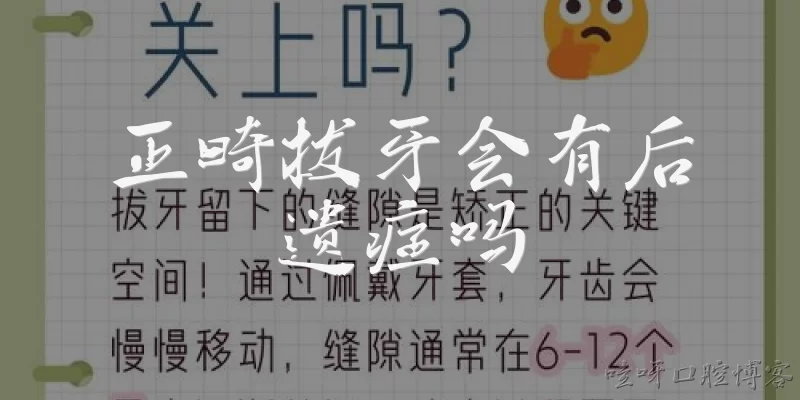
Dialogue about
Common scenarios of "Are there side effects of tooth extraction for orthodontics?"
【Patient】 Hi doctor, I'm considering orthodontic treatment, but my dentist said I might need to extract some teeth. Does tooth extraction for braces have side effects?
【Orthodontist】 That's a very common concern. Tooth extraction for orthodontics is a well-established procedure, but like any medical intervention, it does have potential side effects. The most common ones are temporary and manageable.
【Patient】 What kind of temporary side effects are we talking about?
【Orthodontist】 Typically, you might experience swelling, mild pain, and bleeding right after the extraction. These usually subside within a few days with proper care and medication. There can also be some difficulty chewing or speaking for a short while.
【Patient】 That sounds manageable. But are there any long-term side effects I should worry about?
【Orthodontist】 Long-term side effects are rare but possible. For example, if the extraction is not planned properly, it could affect your bite or cause adjacent teeth to shift. However, in orthodontics, extractions are carefully planned to create space for alignment, so the risk is minimized.
【Patient】 Could tooth extraction affect the health of my other teeth? Like cause them to loosen?
【Orthodontist】 Not typically. The adjacent teeth are supported by their own ligaments and bone. After extraction, the bone heals, and with orthodontic treatment, teeth move into the desired positions. There is a temporary risk of slight mobility of adjacent teeth during healing, but it resolves.
【Patient】 I've heard that extraction can sometimes lead to a sunken face or change in facial profile. Is that true?
【Orthodontist】 That's a valid concern. In some cases, especially with multiple extractions, there can be a slight change in facial profile, like a flatter lip position. But orthodontists assess your facial proportions before deciding on extractions. Often, the goal is to improve both function and aesthetics, so extractions are done judiciously.
【Patient】 What about nerve damage? I've read that lower extractions can damage the inferior alveolar nerve.
【Orthodontist】 Yes, that's a known risk, especially for lower wisdom teeth or premolars near the nerve canal. The risk is low, but if it happens, it can cause numbness in the lip, chin, or tongue. Usually, it's temporary, but in rare cases, it can be permanent. Your dentist will take X-rays to assess the risk.
【Patient】 Are there any side effects related to the orthodontic treatment itself after extraction, like root resorption?
【Orthodontist】 Root resorption can occur with any orthodontic treatment, with or without extractions. It's usually minimal and doesn't affect tooth function. Extractions themselves don't directly cause root resorption, but the movement of teeth can lead to some shortening of roots. Regular X-rays monitor this.
【Patient】 What about the healing process? Could I get an infection or dry socket?
【Orthodontist】 Yes, dry socket and infection are possible complications of any tooth extraction. Dry socket occurs when the blood clot dislodges, causing pain. Infection can happen if bacteria enter the socket. Following post-op instructions, like not smoking and keeping the area clean, greatly reduces these risks.
【Patient】 How long does it usually take to recover from the extraction before starting braces?
【Orthodontist】 Typically, we wait for the extraction sites to heal, which takes about 1 to 2 weeks for the soft tissue and a few months for the bone to fill in. Braces can often be placed within a few weeks, but it depends on your individual healing.
【Patient】 Are there any alternatives to extraction for creating space?
【Orthodontist】 Yes, alternatives include expansion of the dental arches, distalization of molars, or interproximal reduction (shaving between teeth). However, these may not be suitable for all cases. Extractions are sometimes the best option for significant crowding or bite issues.
【Patient】 So, overall, how common are serious side effects from extraction for orthodontics?
【Orthodontist】 Serious side effects are relatively uncommon. Most patients experience only mild, temporary discomfort. The key is a thorough evaluation and proper technique. Your orthodontist and oral surgeon will work together to minimize risks.
【Patient】 Should I get a second opinion before agreeing to extractions?
【Orthodontist】 It's always a good idea to get a second opinion if you're unsure. Orthodontic treatment is a big commitment, and you should feel confident in the plan. A second orthodontist can confirm whether extractions are necessary or if there are other options.
【Patient】 What questions should I ask my orthodontist before extraction?
【Orthodontist】 Ask about the number of teeth to be extracted, the specific risks in your case, the expected changes in your facial profile, and the alternatives. Also, ask about the experience of the surgeon and the post-operative care plan.
【Patient】 Can extraction affect my ability to chew or speak in the long run?
【Orthodontist】 After orthodontic treatment, your bite should be improved, so chewing function is usually better. Speaking might be temporarily affected by braces or retainers, but extractions themselves don't typically cause long-term speech issues.
【Patient】 I'm also worried about the aesthetic outcome. Will I have gaps where teeth were removed?
【Orthodontist】 No, the whole point of orthodontic treatment after extraction is to close the gaps by moving the remaining teeth into proper alignment. The final result should be a full, straight smile without visible gaps.
【Patient】 What about the cost? Does extraction add a lot to the overall orthodontic expense?
【Orthodontist】 Extractions do add to the cost, as they are separate procedures often done by an oral surgeon. The exact amount varies. You should get a detailed estimate from your dentist and orthodontist. Some insurance plans may cover part of it.
【Patient】 Thank you, doctor. I feel more informed now. I'll discuss this with my orthodontist and maybe get a second opinion.
【Orthodontist】 You're welcome. It's important to make an informed decision. Feel free to ask if you have more questions. Good luck with your orthodontic journey!