White substance in the wound after wisdom tooth extraction:What is the white substance in the wound after wisdom tooth extraction?
Q: What is the white substance in the wound after wisdom tooth extraction?
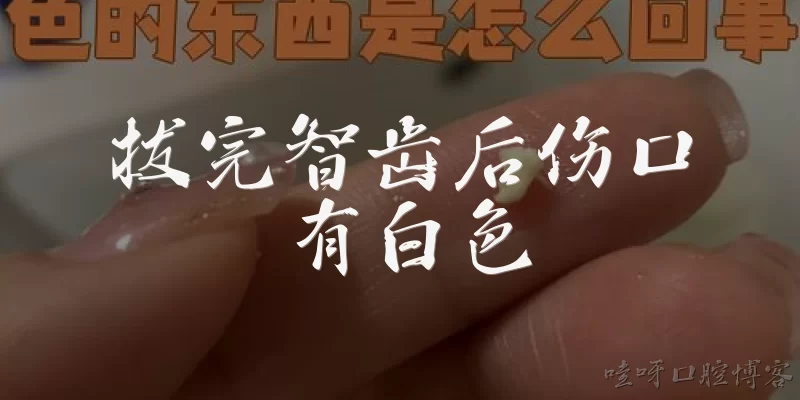
A: The white substance you notice in the socket after wisdom tooth extraction is almost always granulation tissue, a normal and essential part of the healing process. It typically appears within 24 to 72 hours after surgery and looks like a pale, yellowish-white or cream-colored layer filling the extraction site. This tissue forms as your body sends collagen, new blood vessels, and immune cells to rebuild the area, and it also helps protect the underlying bone and nerve from infection and irritation. In 2026, oral surgeons continue to emphasize that this white layer is not pus and should not be removed, because disturbing it can delay healing or lead to a painful condition called dry socket. It may also be food debris or fibrin, a protein involved in clotting, both of which are harmless if the area is kept clean. If the white substance is accompanied by increasing pain, swelling, fever, or a foul odor, contact your dentist promptly, since those signs can indicate infection rather than healthy healing tissue.
Q: Should I remove the white tissue from my wisdom tooth extraction site?
A: No, you should never try to remove the white tissue from your wisdom tooth extraction site. That whitish material is usually granulation tissue or a fibrin clot, both of which are natural protective layers that shield the wound and support new tissue growth. In 2026, dental guidelines still stress that scraping, brushing, picking, or using your tongue to dislodge it can expose the bone, break the blood clot, and cause a dry socket, which is intensely painful and often requires professional treatment. Instead of removing it, keep the area clean by gently rinsing with warm salt water or a prescribed antimicrobial rinse starting 24 hours after surgery, as directed by your dentist. Continue soft foods, avoid straws and smoking, and let the white layer gradually disappear on its own over one to two weeks as healing progresses. If you are unsure whether the substance is normal granulation tissue or something else, take a photo and send it to your oral surgeon's office rather than attempting to clean it out yourself.
Q: How long does the white substance stay in the socket after wisdom tooth extraction in 2026?
A: After wisdom tooth extraction, the white granulation tissue typically becomes visible within two to three days and gradually fades or is replaced by normal pink gum tissue over one to three weeks. Healing timelines vary based on the complexity of the extraction, your age, oral hygiene, and whether you follow post-operative instructions. In 2026, most clinicians note that the socket fills with new tissue in about seven to ten days, while complete bone and gum remodeling can take several months. During the first week, the white layer may look thicker or mixed with small food particles, which is normal as long as you are not in severe pain. By the end of the second week, many patients see the white area shrink and healthy pink tissue appear around the edges. If the white substance persists beyond three to four weeks or is accompanied by swelling, throbbing pain, or a bad taste, schedule a follow-up exam, since prolonged whiteness could signal an infection, retained debris, or a healing complication that needs professional care.
Dialogue about
Common scenarios of "White substance in the wound after wisdom tooth extraction"
【Patient】 Hi, I had my wisdom tooth extracted three days ago. Today when I looked in the mirror, I noticed a white, soft-looking substance inside the hole. Is that normal?
【Dentist】 Hello! Yes, that white substance is very common after a tooth extraction. It's usually a fibrin clot, which is part of the normal healing process. It helps protect the underlying bone and nerve.
【Patient】 Oh, I was worried it might be an infection. It doesn't hurt much, but it looks kind of gross. Could it be pus?
【Dentist】 Pus from an infection typically comes with increasing pain, swelling, redness, fever, and a bad taste or odor. If you don't have those symptoms, it's likely just the healthy granulation tissue forming. But let me ask: do you have any throbbing pain, swelling, or fever?
【Patient】 No fever, no swelling. The pain is mild and manageable with ibuprofen. No bad taste either. So it's probably not infected?
【Dentist】 That sounds reassuring. The white tissue you see is often fibrin, which is a protein that helps clotting. It can look yellowish-white and may persist for a week or two. As long as you're not in severe pain, it's normal.
【Patient】 Okay, that's a relief. But should I try to remove it or brush it away? It feels weird when I touch it with my tongue.
【Dentist】 No, definitely don't try to remove it or poke at it. That could dislodge the clot and lead to a dry socket, which is very painful. Just leave it alone. You can gently rinse with warm salt water starting 24 hours after extraction, but don't swish vigorously.
【Patient】 I've been rinsing with salt water since yesterday, but I might have been too aggressive. Could that have disturbed it?
【Dentist】 If you're not experiencing severe pain, it's probably fine. But for the next few days, be gentle. Use a soft rinse, just let the water fall out of your mouth. Also avoid straws, smoking, and spitting forcefully.
【Patient】 Got it. I'll be more careful. How long does this white stuff usually last?
【Dentist】 It can last anywhere from a few days to a couple of weeks. As the wound heals, the white tissue will gradually be replaced by pink gum tissue. You might also notice some grayish or yellowish debris, which is normal.
【Patient】 What if it turns into a dry socket? What are the signs I should watch for?
【Dentist】 Dry socket typically causes severe, throbbing pain that may radiate to your ear, and it often starts 2-4 days after extraction. You might also see exposed bone instead of the white clot, and have a bad taste. If that happens, call your dentist immediately.
【Patient】 Thanks, I'll keep an eye out. Is there anything I can do to speed up healing?
【Dentist】 Keep the area clean, stay hydrated, eat soft nutritious foods, get plenty of rest, and avoid smoking and alcohol. You can also use a cold pack for swelling if needed. But mostly, just give it time.
【Patient】 Should I continue taking ibuprofen even if the pain is mild?
【Dentist】 You can take it as needed for discomfort, but if you're not in pain, you don't have to. Just follow the dosage instructions. If you have any medical conditions, check with your doctor first.
【Patient】 Alright. One last thing: the white substance seems to be growing or changing shape. Is that normal?
【Dentist】 Yes, it can change as healing progresses. It might look more like a web or a patch. As long as you don't have increasing pain, swelling, or fever, it's part of the normal healing. If you're ever unsure, a quick call or visit to your dentist can ease your mind.
【Patient】 Thank you so much! I feel much better now. I'll just leave it alone and monitor for any bad signs.
【Dentist】 You're welcome! Sounds like a good plan. Remember, gentle care and patience are key. If anything changes or you have concerns, don't hesitate to reach out. Take care!