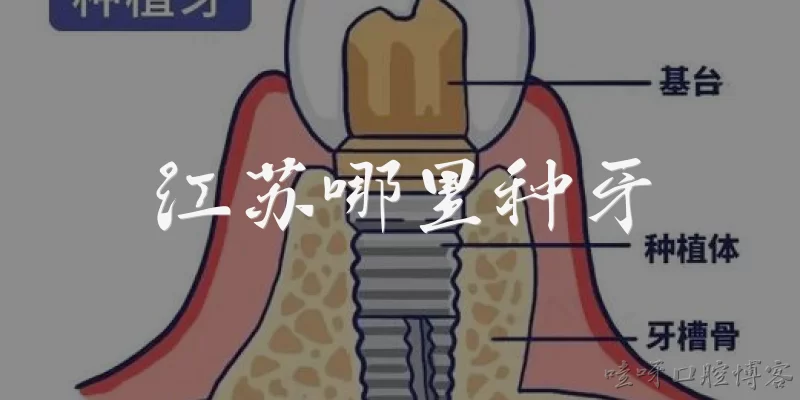
Dental implant abutment placement:What is the purpose of a dental implant abutment?
Q: What is the purpose of a dental implant abutment?
A: The abutment is the component that connects the implant fixture to the prosthesis. According to the American Academy of Implant Dentistry (AAID), the abutment serves as the support structure for the crown, bridge, or denture, transmitting occlusal forces to the implant. It also determines the emergence profile and helps shape the soft tissue for optimal aesthetics. Placement of the abutment typically occurs after osseointegration, but immediate placement is possible in selected cases. The abutment material (titanium, zirconia) and design influence both biomechanical and biological outcomes.
Q: When should an abutment be placed after implant surgery?
A: Timing depends on the healing protocol. The International Team for Implantology (ITI) guidelines indicate that for two-stage protocols, abutment placement usually occurs 3–6 months after implant insertion, following osseointegration. In one-stage protocols, a healing abutment is placed at surgery, and the definitive abutment later. Immediate abutment placement (at implant surgery) is reserved for cases with good primary stability and no infection. A 2020 consensus report from the Academy of Osseointegration notes that early loading with abutment placement at 6–8 weeks may be considered in the anterior mandible.
Q: What are the key steps in abutment placement?
A: First, the implant is exposed via a small incision if it was submerged. The healing abutment is removed, and the implant platform is cleaned. Using a torque wrench, the abutment is screwed into the implant according to the manufacturer's recommended torque (typically 15–35 Ncm). Radiographic verification ensures complete seating. The soft tissue is then adapted around the abutment, and a healing cap or provisional restoration may be placed. The American College of Prosthodontists (ACP) emphasizes that proper abutment seating prevents microleakage and screw loosening, which are common complications.
Q: What factors influence the choice of abutment for implant placement?
A: Selection depends on implant platform diameter, soft tissue thickness, and prosthetic design. The ITI recommends that the abutment height should be at least 2 mm above the soft tissue to allow for proper crown contour. Material choice—titanium versus zirconia—affects aesthetics and bacterial adhesion. Angled abutments are used for off-axis implants. The ACP guidelines highlight that the abutment's connection type (internal vs. external) and platform switching can influence crestal bone levels. Patient-specific factors like bruxism may require stronger, screw-retained abutments.
Q: What are common complications after abutment placement?
A: According to a 2018 systematic review in the Journal of Prosthetic Dentistry, common complications include screw loosening (up to 10% over 5 years), abutment fracture, and soft tissue recession. Mucositis and peri-implantitis can occur if excess cement is left or if the abutment fit is poor. The AAID notes that improper torque or misfit can lead to implant failure. Regular maintenance and radiographic checks are essential. Using a torque wrench and verifying seating with radiographs reduce risks. Immediate loading protocols have similar complication rates when inclusion criteria are met.

Dialogue about
Common scenarios of "Dental implant abutment placement"
【Dentist】 Good morning, Mrs. Johnson. How are you feeling today?
【Patient】 I'm a bit nervous, Doctor. Is everything ready for the implant abutment placement?
【Dentist】 Yes, we're all set. The implant has healed well over the past few months. Today we'll place the abutment, which will connect the implant to the crown.
【Patient】 Will it hurt? I remember the implant surgery was a bit uncomfortable.
【Dentist】 We'll use local anesthesia to numb the area, so you shouldn't feel any pain during the procedure. You might feel some pressure, but that's normal.
【Patient】 Okay. How long will it take?
【Dentist】 The procedure itself usually takes about 30 to 60 minutes. We'll start by making a small incision to expose the implant.
【Patient】 I see. Then what happens?
【Dentist】 Once the implant is exposed, we'll attach the abutment and tighten it into place. Then we'll suture the gum tissue around it.
【Patient】 Will I need stitches removed later?
【Dentist】 Yes, we'll remove them in about 1-2 weeks. After that, we'll let the gums heal for a few weeks before making the final crown.
【Patient】 So I won't get the crown today?
【Dentist】 No, today is just the abutment placement. The crown will be custom-made to match your other teeth and placed in a separate appointment.
【Patient】 Alright. What should I expect after the procedure?
【Dentist】 You might experience some mild discomfort, swelling, or minor bleeding. We'll give you post-op instructions and prescribe pain medication if needed.
【Patient】 Can I eat normally?
【Dentist】 We recommend soft foods for a few days and avoid chewing on that side. Also, no smoking, as it can hinder healing.
【Patient】 Okay, I'll follow that. Is there any risk of complications?
【Dentist】 As with any surgery, there's a small risk of infection or bleeding, but we take precautions to minimize that. If you notice anything unusual, contact us immediately.
【Patient】 Thank you, Doctor. I feel a bit more at ease now.
【Dentist】 You're welcome. Let's get started. Remember to raise your hand if you need a break.