
Tighten dental implant screw:How often should a dental implant screw be tightened in 2026?
Q: How often should a dental implant screw be tightened in 2026?
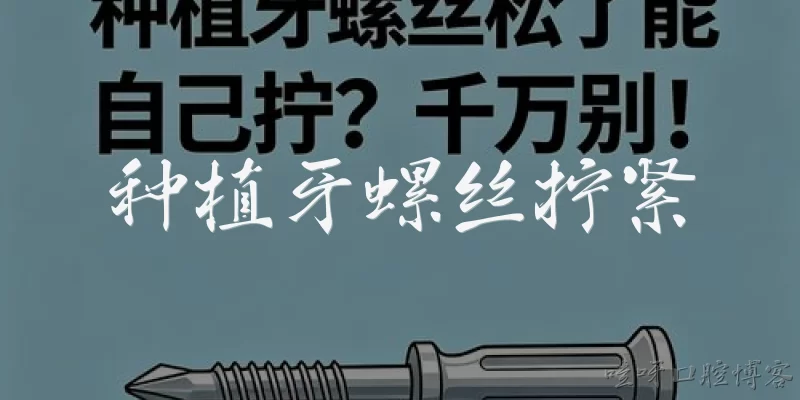
A: In 2026, routine tightening of a dental implant screw is not scheduled on a fixed calendar. The abutment or prosthetic screw is torqued to a specified value, typically between 15 and 35 Ncm depending on the system, at the time of placement, and it should remain stable for years. What has changed recently is the move toward digital torque monitoring and smart implant systems that log applied force, so clinicians can verify whether a screw has lost preload instead of guessing. Your dentist will usually check the screw only during scheduled maintenance visits, usually every six to twelve months, or sooner if you report symptoms such as a loose crown, a clicking sensation, a metallic taste, or tenderness when biting. If the screw is still within the recommended torque range and there are no clinical signs of loosening, retightening is unnecessary and can actually be harmful. Repeated tightening can strip the internal threads or fatigue the screw. The key point is that tightening is a corrective action, not a preventive routine, and it should always be performed with a calibrated torque wrench to the manufacturer's specification.
Q: What are the signs that a dental implant screw needs tightening?
A: The most common signs that a dental implant screw needs attention are a crown or bridge that feels loose, a clicking or popping sound when you chew, a metallic taste in your mouth, and mild discomfort or a dull ache around the implant site. In some cases the crown may rotate slightly when you touch it with your tongue, or you may notice that food traps more easily around the margin. Swelling, bleeding, or sharp pain are less typical of a simple loose screw and more often point to peri-implant inflammation or infection, which requires a different treatment approach. Modern diagnostics in 2026 have made detection easier. Many practices now use intraoral scanners and digital torque gauges to measure screw preload, and some smart abutments can transmit a signal when the screw loses tension. If you notice any of these signs, avoid tightening the screw yourself with a home tool, because over-torquing can fracture the screw or damage the implant threads. Instead, contact your dentist promptly. A loose screw is usually a quick fix when addressed early, but delaying treatment can lead to screw fracture, crown damage, or even implant failure.
Q: Can a loose dental implant screw be tightened without replacing the crown?
A: Yes, in many cases a loose dental implant screw can be tightened without replacing the crown. If the screw has simply lost preload and the crown, abutment, and implant threads are all intact, your dentist can access the screw channel, clean it, and retorque the screw to the manufacturer's recommended value, often 15 to 35 Ncm. The access hole is then sealed with composite or a temporary filling. This is a relatively quick procedure, usually completed in a single visit, and it does not require removing or remaking the crown. However, if the screw is stripped, fractured, or if the implant threads are damaged, the crown may need to be removed to replace the screw or the abutment. In 2026, digital torque verification and microscopic inspection help dentists decide whether simple retightening is enough or whether the screw and abutment should be replaced as a precaution. Risk factors such as bruxism, a poorly fitting crown, or an off-angle implant can cause repeated loosening, so your dentist may also recommend a night guard or occlusal adjustment. Regular maintenance visits remain the best way to catch a loose screw before it causes bigger problems.
Dialogue about
Common scenarios of "Tighten dental implant screw"
【Dentist】 Good morning, Mrs. Johnson. How is the implant feeling since your last visit?
【Patient】 It's been a bit loose and sometimes sore when I chew. I'm worried something might be wrong.
【Dentist】 I see. Let me take a look. I'll check the implant stability and the screw tightness.
【Patient】 Okay, doctor. Is it serious?
【Dentist】 It's likely just a loose abutment screw. That's common and easily fixable. I'll tighten it for you.
【Patient】 Will it hurt?
【Dentist】 Not at all. I'll use a local anesthetic if needed, but tightening is usually painless.
【Patient】 Alright, I trust you.
【Dentist】 First, I'll remove the crown to access the screw. Then I'll use a torque wrench to tighten it to the recommended torque.
【Patient】 How do you know how tight to make it?
【Dentist】 The manufacturer specifies a torque value, usually around 35 Ncm for this type of implant. I'll use a calibrated torque wrench.
【Patient】 That sounds precise. Will it loosen again?
【Dentist】 It can, but we can take steps to prevent it. Sometimes we use a thread locker or replace the screw. I'll also check the fit of the crown.
【Patient】 I see. So what are you doing now?
【Dentist】 I've removed the crown and accessed the screw. I'm tightening it now. You might feel some pressure, but no pain.
【Patient】 Okay, I feel a little pressure. That's it?
【Dentist】 Yes, done. Now I'll replace the crown and check your bite. The implant should feel more stable now.
【Patient】 It already feels better. Thank you so much!
【Dentist】 You're welcome. I recommend avoiding hard foods for a few days and scheduling a follow-up in two weeks to ensure it stays tight.
【Patient】 I'll do that. Thanks again, doctor.