Professional Dental Implants:What are professional dental implants and how do they differ from other tooth replacement options?
Q: What are professional dental implants and how do they differ from other tooth replacement options?
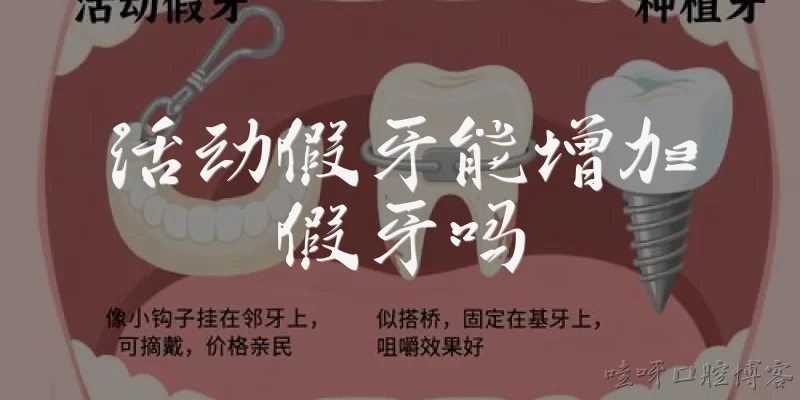
A: Professional dental implants are titanium posts surgically placed into the jawbone to serve as artificial tooth roots. Unlike dentures or bridges, which rest on the gums or rely on adjacent teeth, implants fuse with the bone through a process called osseointegration, providing a stable and permanent foundation. This structural difference offers several advantages. First, implants prevent bone loss because they stimulate the jawbone just like natural roots. Second, they don't require altering healthy neighboring teeth, as bridges do. Third, they restore full chewing power and speech clarity, often outperforming removable dentures. While dentures can slip and bridges may eventually loosen, implants are designed to last decades with proper care. The procedure involves multiple steps: consultation, implant placement, healing, and crown attachment. Although the upfront cost and treatment time are higher, many patients find the long-term benefits—comfort, aesthetics, and durability—make professional dental implants the gold standard for tooth replacement. Your dentist can assess whether you're a candidate based on bone density and overall health.
Q: What is the dental implant procedure like, from consultation to final crown placement?
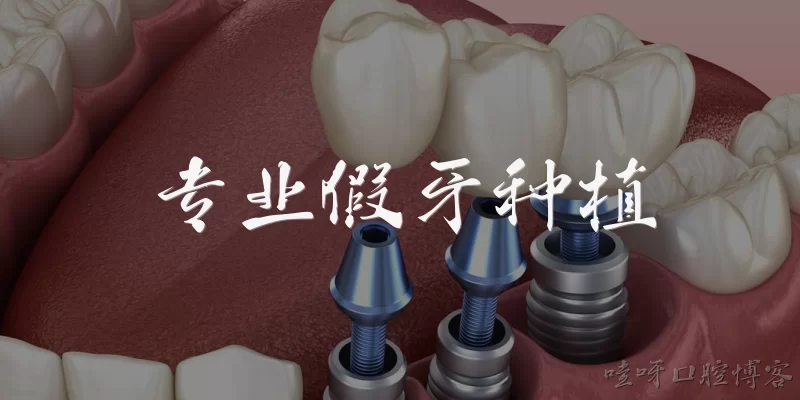
A: The dental implant journey typically unfolds in several stages. It begins with a comprehensive exam, including X-rays and 3D imaging, to evaluate bone quality and plan the implant's position. If bone is insufficient, a bone graft may be needed, adding healing time. Next, the implant—a small titanium screw—is surgically inserted into the jawbone under local anesthesia. This step is usually painless, with mild discomfort afterward manageable by over-the-counter pain relievers. Over the next 3 to 6 months, osseointegration occurs as the bone grows around the implant. Once healed, a small connector called an abutment is attached, and a custom-made crown is placed on top. Some cases allow immediate loading, where a temporary crown is added the same day. The final crown is color-matched to your natural teeth for a seamless look. Throughout the process, follow-up visits ensure proper healing. While the timeline varies, most patients complete treatment within 6 to 9 months. Professional dental implants restore function and appearance, and with good oral hygiene, they can last a lifetime.
Q: Are professional dental implants safe, and what factors affect their long-term success?
A: Yes, professional dental implants are widely recognized as a safe and predictable procedure, with success rates exceeding 95% when performed by qualified professionals. However, long-term success depends on several factors. First, good oral hygiene is crucial: brushing, flossing, and regular dental checkups prevent peri-implantitis, an infection that can lead to implant failure. Second, overall health matters—uncontrolled diabetes, smoking, and certain medications can impair healing and increase risks. Third, the skill and experience of the implant dentist play a major role; proper diagnosis, precise placement, and high-quality materials reduce complications. Fourth, adequate bone density is essential; if lacking, grafting improves outcomes. Potential risks include infection, nerve damage, and sinus issues, but these are rare with careful planning. After healing, implants function like natural teeth, but they still require maintenance. Avoid biting hard objects and wear a night guard if you grind your teeth. With proper care, implants can last 20 years or more, making them a cost-effective, safe choice for restoring your smile and oral health.
Dialogue about
Common scenarios of "Professional Dental Implants"
【Patient】 Hi, I've been considering dental implants for a missing tooth. Can you tell me what they are exactly?
【Dentist】 Of course! Dental implants are artificial tooth roots, usually made of titanium, that are surgically placed into your jawbone to support a replacement tooth or bridge.
【Patient】 How does the implant actually stay in place? Does it just sit there?
【Dentist】 No, it's more sophisticated. The implant fuses with your jawbone through a process called osseointegration. The bone grows around the implant, making it very stable.
【Patient】 That sounds like it takes time. How long does the whole process usually take?
【Dentist】 Typically, it takes several months. After the implant is placed, we wait for osseointegration, which can take 3 to 6 months. Then we attach the abutment and crown.
【Patient】 Is the surgery painful? I'm a bit nervous about that.
【Dentist】 The surgery is done under local anesthesia, so you shouldn't feel pain during the procedure. Afterwards, there might be some discomfort, but it's manageable with over-the-counter pain relievers.
【Patient】 What are the chances of success? I've heard some implants fail.
【Dentist】 Success rates are high, around 95% for single implants. Factors like smoking, poor oral hygiene, and certain health conditions can increase the risk of failure.
【Patient】 I see. Are there any alternatives to implants that I should consider?
【Dentist】 Yes, alternatives include fixed bridges or removable partial dentures. However, implants are often preferred because they don't rely on adjacent teeth and help prevent bone loss.
【Patient】 How much do dental implants cost? I assume they're expensive.
【Dentist】 The cost varies depending on location and complexity, but a single implant with crown can range from $1,500 to $6,000. Many dental insurance plans may cover part of it.
【Patient】 That's a bit steep. Is there any financing available?
【Dentist】 Yes, many dental offices offer payment plans or work with financing companies. It's worth discussing with our front office.
【Patient】 What about the maintenance? Do implants require special care?
【Dentist】 Not really special, but you need to brush and floss regularly, just like natural teeth. Regular dental check-ups are also important to ensure the implant and surrounding tissues are healthy.
【Patient】 Can I eat normally with implants? Like crunchy foods?
【Dentist】 Absolutely. Once healed, implants function like natural teeth. You can eat apples, steak, and other hard foods without worry.
【Patient】 That's great to hear. I think I'll schedule a consultation to discuss further.
【Dentist】 That sounds like a good plan. We'll do a thorough exam and imaging to determine if you're a candidate. Looking forward to seeing you!